
If you are exploring easy finnish recipes at home, traditional Egg cheese (Munajuusto) should be at the top of your culinary bucket list.
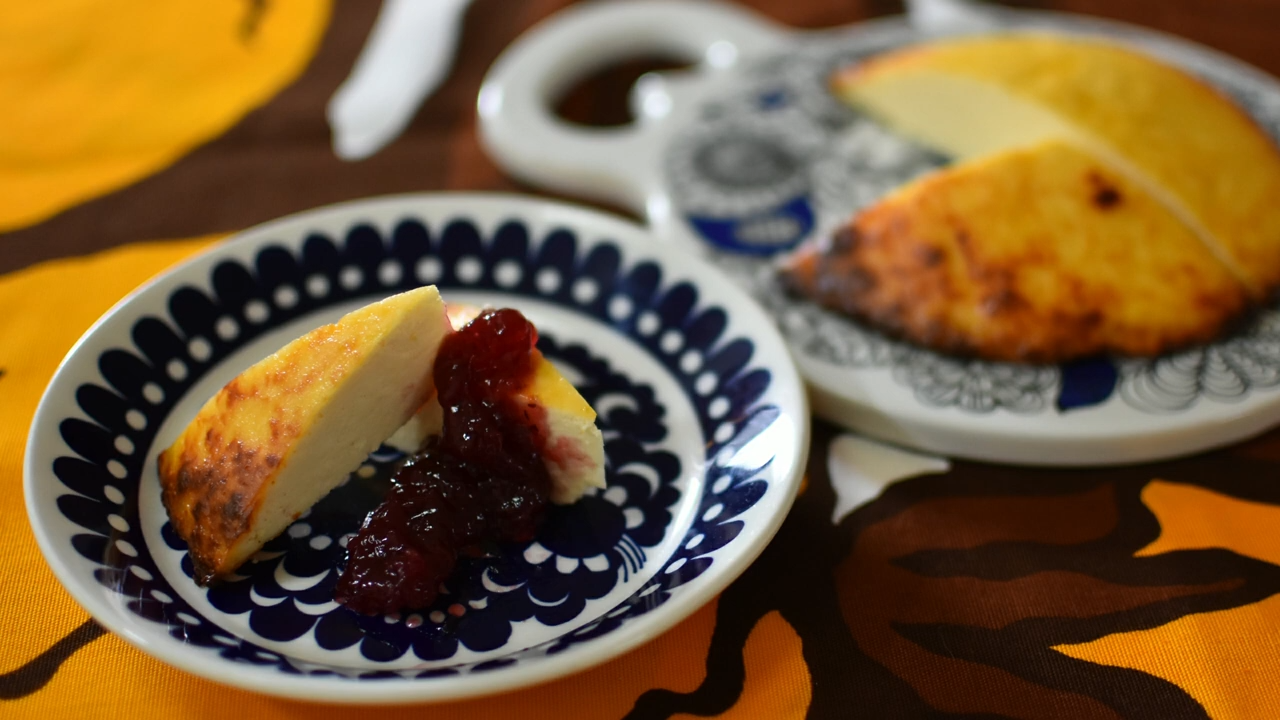
Munajuusto is a classic Nordic fresh cheese made by gently curdling milk with buttermilk and eggs. The result is a tender, velvety cheese wheel with a rich, delicate flavor profile. Traditionally baked in the oven until a golden, speckled top forms, this recipe proves that making artisan cheese at home doesn’t require complex equipment or rennet.
Quick Information Card
| Detail | Specification |
| Prep Time | 15 Minutes |
| Cooking & Draining Time | 45 Minutes (Plus overnight chilling) |
| Baking Time | 10–15 Minutes |
| Yield | 1 Whole Cheese Wheel (Approx. 500g–600g) |
| Difficulty Level | Easy / Beginner Friendly |
Ingredients & Measurements
-
Whole Cow’s Milk: 3 Liters (Full-fat, non-UHT yields the best curds)
-
Buttermilk (or Sour Milk / Cultured Milk): 1 Liter
-
Fresh Eggs: 4 Large eggs
-
Fine Sea Salt: 1 to 1.5 Teaspoons (Adjust to taste)
-
Melted Butter or Egg Wash: 1 Tablespoon (For brushing before baking)
Pro Tips for Cheese Success
-
Choose the Right Milk: Always opt for fresh whole milk rather than ultra-high temperature (UHT) pasteurized milk. Non-homogenized or whole farm-fresh milk forms firmer, creamier curds.
-
Gentle Heat is Key: Do not bring your milk to a violent, rolling boil. Scalding or heating it gently to just before boiling ensures a smooth texture rather than a rubbery one.
-
Save the Whey: Don’t throw away the drained liquid! Whey is packed with nutrients and acts as a fantastic base for baking home bread, making soups, or boosting smoothies.
Ingredient Substitutions
-
Buttermilk Substitute: Plain unsweetened kefir or whole milk mixed with 3 tablespoons of fresh lemon juice/white vinegar works if buttermilk is unavailable.
-
Herb & Spice Additions: Before pressing the curds into your mold, fold in finely chopped fresh dill, toasted caraway seeds, or cracked black pepper for a savory twist.
Step-by-Step Preparation Guide
Step 1: Heat the Milk Base
Pour the whole milk into a large stockpot over medium-high heat. Heat gently, stirring occasionally with a wooden spoon to prevent the milk from scorching at the bottom, until it approaches a gentle simmer (just below boiling point).
Step 2: Prepare the Egg Mixture
While the milk warms up, whisk together the eggs and buttermilk in a separate bowl until fully combined and smooth.
Step 3: Curdle the Milk
Once the milk is hot, reduce the heat to low. Slowly pour the egg-buttermilk mixture into the hot milk while stirring gently. Continue stirring over low heat for a few minutes until you see yellow-white curds separate cleanly from the clear, greenish liquid (whey). Turn off the heat, cover the pot, and let it stand undisturbed for 15 minutes to allow maximum curd separation.
Step 4: Drain and Season the Curds
Line a colander or cheese mold with a clean piece of cheesecloth (muslin fabric) set over a large bowl. Carefully spoon or ladle the curds into the cloth. Let the whey drain out naturally for 15 minutes, then mix in the fine sea salt evenly throughout the cheese mass.
Step 5: Press and Chill
Gather the ends of the cheesecloth, fold them neatly over the cheese wheel, and place a light weight (such as a plate with a small weight on top) over it. Place the mold in the refrigerator to drain and set overnight.
Step 6: Bake to Perfection
The next day, turn the firm cheese wheel out onto a parchment-lined baking dish. Lightly brush the top surface with melted butter or a beaten egg. Place under a preheated oven broiler (or at 250°C / 480°F) for 10 to 15 minutes until the top turns a rustic golden brown with characteristic dark speckles. Allow it to cool slightly before slicing.
How to Serve Munajuusto
Sliced Munajuusto can be enjoyed warm or cold. Serve it on rustic Finnish rye bread, as part of a brunch platter, or paired with fresh cloudberries and lingonberry jam for a authentic Nordic tasting experience.
If you prefer to follow along with every detail visually, you can watch the complete step-by-step video process here: